If you’re parenting or teaching an autistic child with a PDA (Pathological Demand Avoidance) profile, you quickly learn that how something is offered matters just as much as what is offered. Sometimes more. A direct instruction – even a gentle one – can trigger anxiety, resistance, or shutdown. Not because the child won’t do it, but because their nervous system experiences demand as a threat.
This is where strewing becomes not just a learning approach, but a form of protection 🫶
What Is Strewing?
Strewing is the intentional practice of placing learning or task initiation (like eating, getting dressed, doing an activity) opportunities into a child’s environment without instruction, pressure, or expectation. There’s no announcement. No timetable. No requirement to engage.
The learning is simply there – quietly – so the child can discover it on their own terms 🌱
For autistic children with a PDA profile, this matters deeply. In this blog I’m going to share our story and insights on the learning aspect of strewing. When learning feels like a demand, panic takes over. When it feels like a choice, curiosity has room to breathe 💛
A Personal Reality: When Learning Becomes Trauma
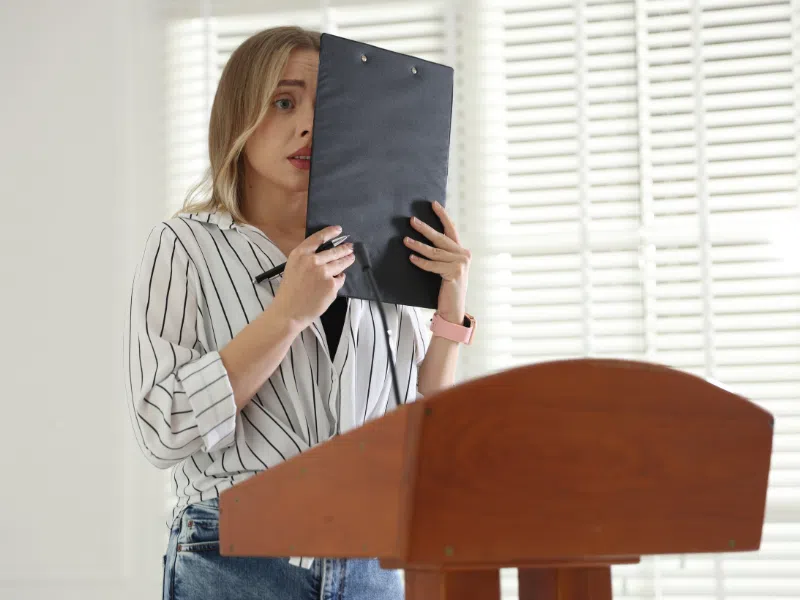
My daughter has recently experienced regression in reading as a direct result of school-based trauma. Anything that looks even remotely “formal” around reading, being asked to read aloud, being assessed, being corrected, worksheets, tests now triggers anxiety.
This wasn’t because she couldn’t read.
It was because learning became tied to pressure, expectation, and fear.
When a child begins to panic at the sight of reading materials, that is not a failure of the child. That is a failure of the system to recognise nervous-system limits.
Standardised tests, worksheets, and forced reading outcomes do not measure intelligence. They measure compliance. And for a PDA child, that cost can be devastating 💔
Why Strewing Is Essential for PDA Kids
Children with a PDA profile experience demands as a loss of autonomy. Even things they want to do can feel impossible when framed as an expectation.
Strewing works because it:
-
Removes the perception of demand
-
Returns control to the child
-
Lowers anxiety and threat responses
-
Allows learning to re-enter without panic
When the nervous system feels safe, learning can happen again 🧠✨
How I’ve Used Strewing to Repair Reading
To help my daughter come out of panic mode, I stripped reading right back.
No worksheets.
No assessments.
No pressure to “perform”.
Instead, I replaced formal reading with play-based strewing. After she goes to sleep each night, I quietly set out reading-related activities in spaces around the house where she’ll naturally notice them the next day. There’s no expectation, no instruction, and no pressure to engage. She has complete autonomy to choose if, when, and how she interacts with them. I rotate the activities regularly to keep things fresh and inviting.
-
Fun phonics games 🎲
-
High-frequency sight words hidden in games
-
Spelling activities disguised as play
-
Reading woven into connection, not correction
I stopped asking her to read for me.
I started reading to her again 📖
Slowly, gently, the fear has begun to loosen.
The goal isn’t results.
The goal is safety 🤍
Letting Go of Outcomes (and Trusting the Process)
This is one of the hardest parts for parents especially those of us carrying school trauma alongside our kids.
Strewing requires us to let go of:
-
Benchmarks
-
Comparisons
-
Timelines
-
“Where they should be”
Instead, we focus on:
-
Regulation
-
Relationship
-
Readiness
A child cannot learn while in survival mode. No amount of drilling will override a nervous system that doesn’t feel safe.
Strewing Is Not Giving Up
This isn’t avoidance.
This isn’t neglect.
This isn’t “doing nothing”.
Strewing is intentional, informed, and deeply respectful.
It says:
Your autonomy matters more than my agenda.
And for PDA children, that message is transformative 🌈
In the End, Strewing Is About Repair
Strewing allows learning to re-enter quietly, without fear.
It protects the relationship.
It repairs trust.
It gives children time to come back to themselves.
When learning has caused harm, the answer is not more pressure.
It’s gentler invitations.
Play over performance.
Safety over standards.
And often, when the panic fades… the learning follows ✨
By Kylie Gardner
The A List 💛