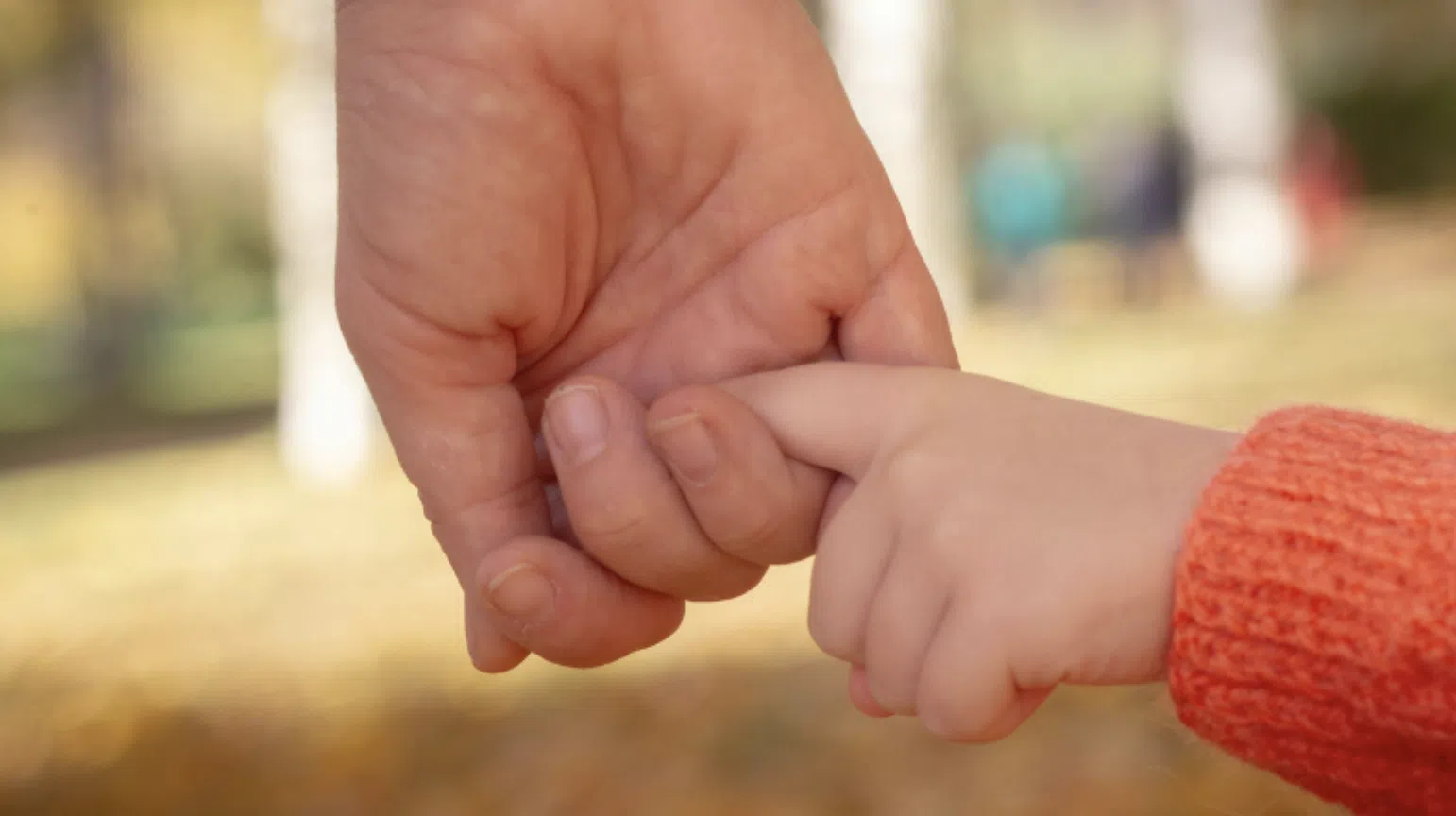
What Is Finger Licking in Autism?
Finger licking can sometimes be seen in autistic children and adults as a form of sensory seeking, self-regulation, or repetitive behaviour.

Finger licking can sometimes be seen in autistic children and adults as a form of sensory seeking, self-regulation, or repetitive behaviour.

At its core, both the Thriving Kids initiative and The A List share the same vision:
helping children feel connected, supported, included, and able to participate fully in their communities.
What sometimes looks like fidgeting, poor posture, or avoidance may actually be the body trying to find stability. With the right understanding and simple accommodations, participation in school, work, and everyday life can improve significantly.

Love languages don’t always show up the way the internet says they should — especially when ADHD, autism, PDA, anxiety, sensory needs, burnout, or executive dysfunction are part of the picture.