Finding the ‘right moment’ to say goodbye can be challenging, so it can be tempting to just ‘skip it’ and leave.
In this video, Paul covers why it’s important to say goodbye and will look at a few ways to make it easier to say goodbye in practice.
Your opinion counts! Click Here to Review this VideoMeet the presenter:
Hi, my name is Paul Micallef. I discovered I was on the autism spectrum at 30 and since my diagnosis, I have worked with countless autistic adults and children, as well as teaching parents teachers and students about autism.
I run a YouTube channel called ‘Aspergers from the Inside’ and a website called ‘Autism Explained’.
I am also an ex-aerospace engineer with a passion for teaching and Emotional Intelligence.
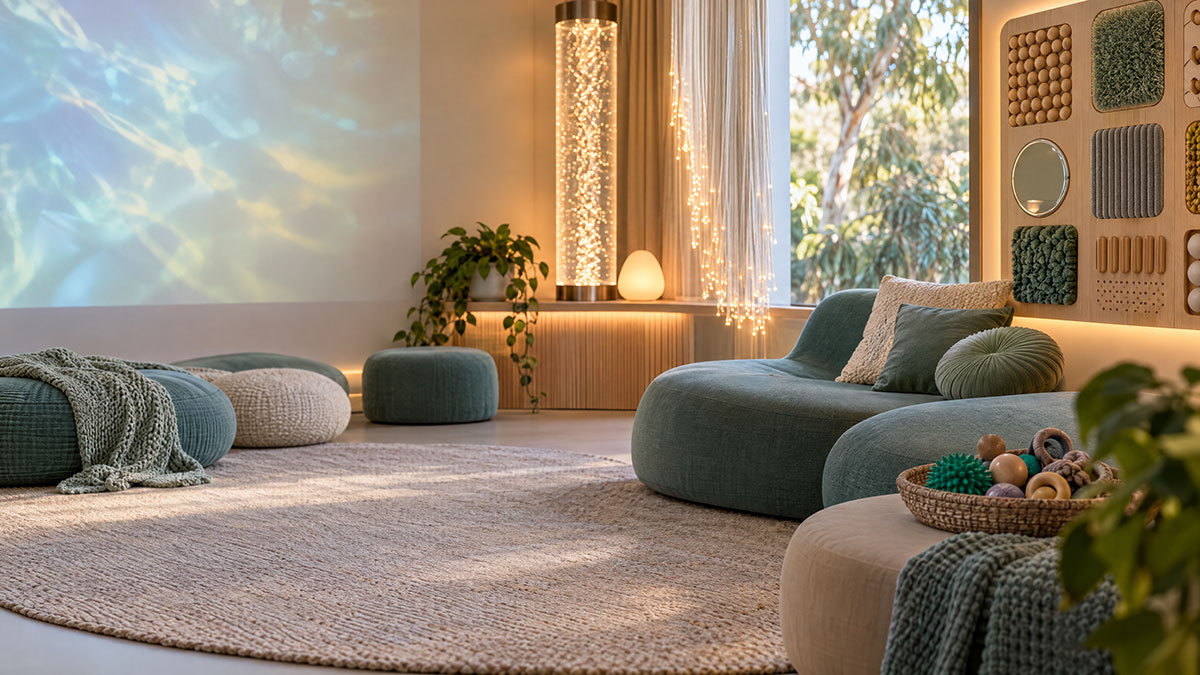
Every listing below is supported by a provider, operator, venue partner, government or official venue page that explicitly promotes a sensory room, sensory space, quiet room or closely equivalent facility. The directory includes businesses and visitor venues as well as health, education and council providers where they promote a dedicated space. General sensory-friendly sessions, equipment sellers and unconfirmed future facilities were excluded.
The “6 second rule” in autism is a simple communication strategy that encourages parents, teachers, therapists, and support workers to pause and wait after speaking or asking a question.
For many autistic, ADHD, and neurodivergent learners, the process of learning to drive can feel significantly more challenging than it does for neurotypical students. The good news is that with the right instructor, teaching approach, and learning environment, neurodivergent learners can become safe, capable, and confident drivers.
At its core, both the Thriving Kids initiative and The A List share the same vision:
helping children feel connected, supported, included, and able to participate fully in their communities.
What sometimes looks like fidgeting, poor posture, or avoidance may actually be the body trying to find stability. With the right understanding and simple accommodations, participation in school, work, and everyday life can improve significantly.