I am able to connect better when there is common ground
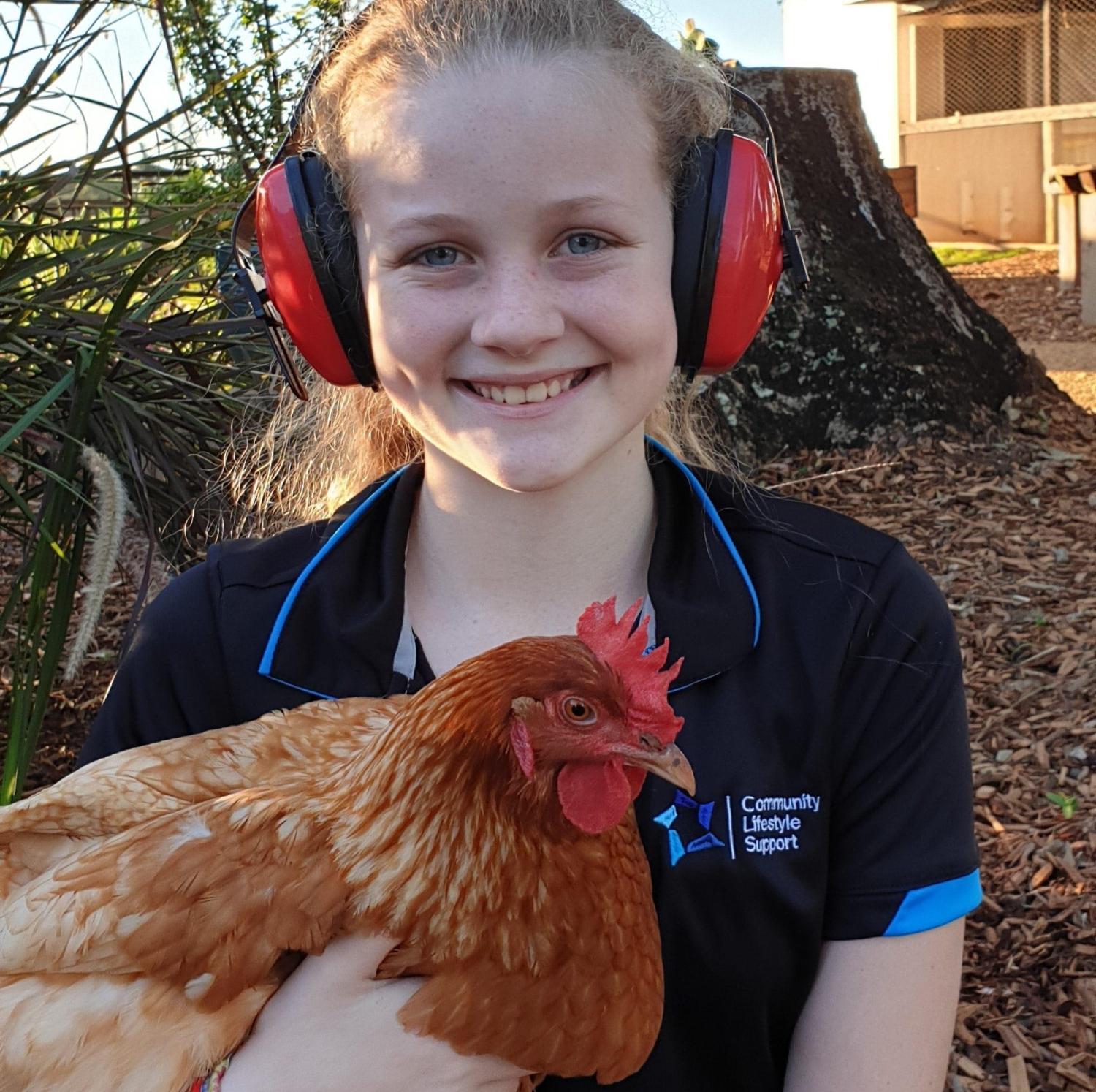
Summer Farrelly, one of our A List Ambassadors talks about social activities vs being social. Having a common interest means I can focus on enjoying myself rather than be consumed with anxiety, with a brain jammed with self talk. I am often asked how can parents and carers help their autistic teen feel more confident around peers. I think sometimes there is too much focus finding friends. I think there is too much focus on trying to fit in with peer groups. I do not have friends my own age, I finding connecting with my peer group challenging because I do not have anything in common or share their interests. I stopped focusing on making friends but rather looked for social activities that provided a space for like-minded interests and ideals. Socialising with others who share the same interests is easier and connecting is more successful. I was able to practice building my confidence in these social spaces. I stopped focusing on group activities of my own age group. I focused on meeting like minded people. This photo of me and a chicken was taken at a community event. We were all different ages but shared a love of animals. Summer x Summer Farelly is an A List Ambassador – find out more about our A List Ambassadors
See more from Summer on her Website.
Summer Farelly is an A List Ambassador – find out more about our A List Ambassadors
See more from Summer on her Website.